"Monorail conveyor" describes the track, not the drive. Manual, chain-driven and electric monorails all run on one overhead rail, but they behave very differently.
In this guide
What Is a Monorail Conveyor?
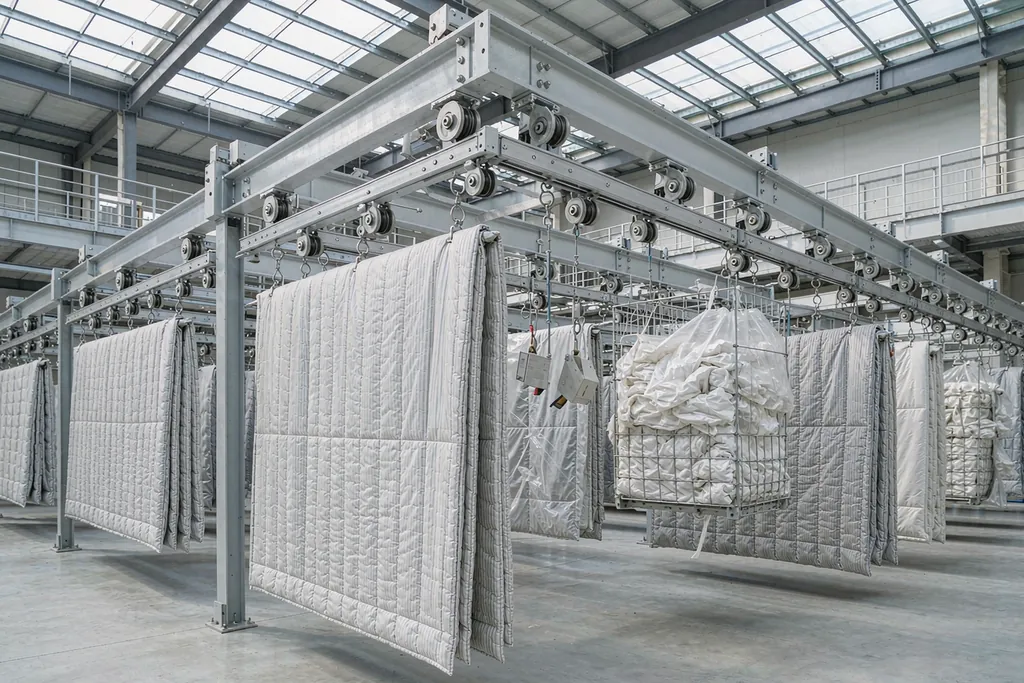
A monorail conveyor carries products on trolleys that run along a single overhead rail. The rail is hung from the roof or a support structure, so the floor below stays free for people, machines and vehicles. The name says nothing about how the trolleys move, and that is the key decision when you plan one.
The Three Types of Monorail Conveyor
01Manual (Push) Monorail
Trolleys run freely on the rail and operators push them. It is the cheapest option and suits low volumes, workshops and storage areas where loads move only occasionally.
Strengths
- Lowest cost
- No power or controls
- Easy to rearrange
Watch out for
- Operator effort
- No automatic flow
- Light loads and short routes
02Chain-Driven Monorail (Overhead Chain Conveyor)
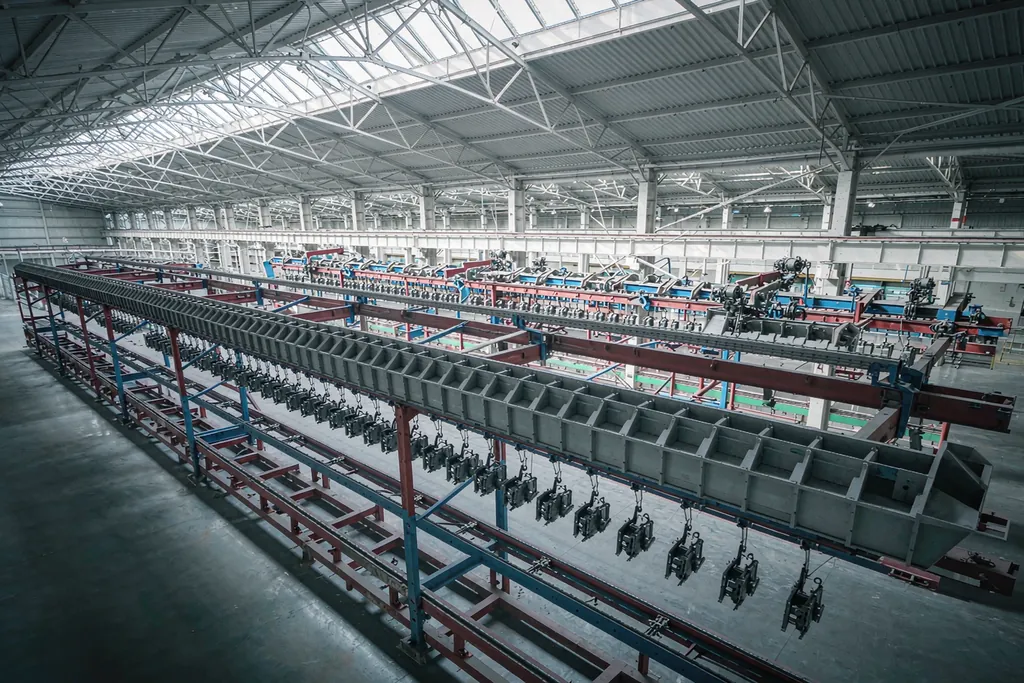
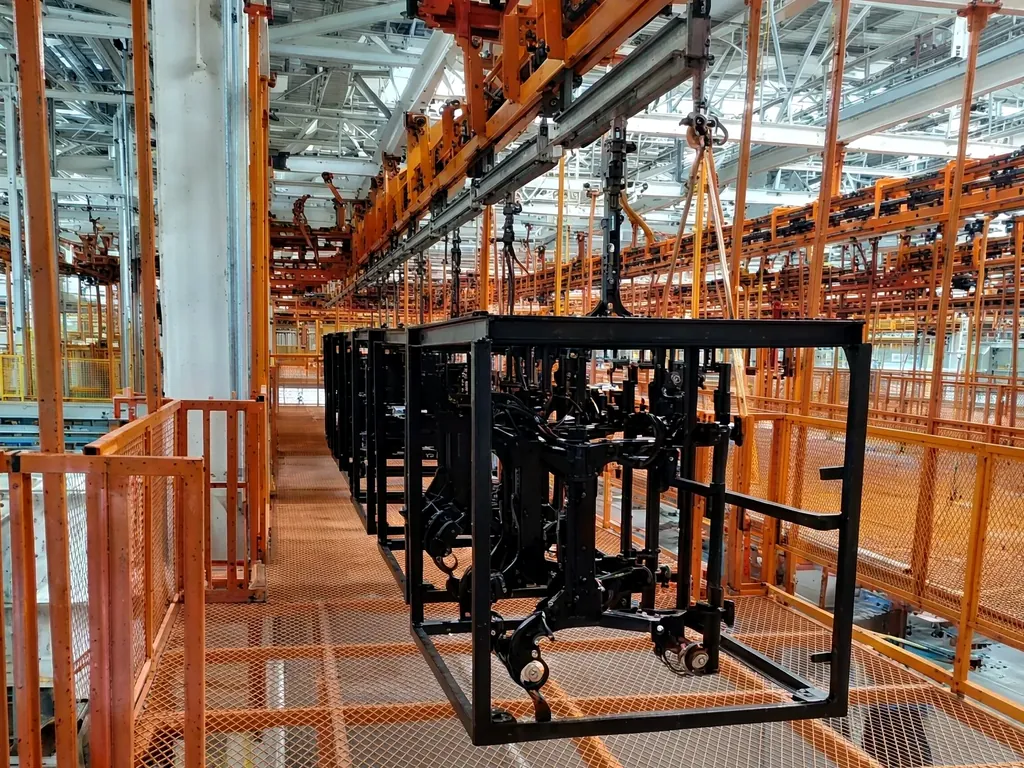
An endless chain inside or below the rail pulls all trolleys at the same speed. It is the classic overhead conveyor for coating lines, foundries and simple assembly loops. When carriers need to stop independently, a power and free version adds a second track.
Strengths
- Simple and robust
- Low cost per metre
- Runs through ovens
Watch out for
- Carriers cannot stop alone
- A stop halts the whole line
03Electric Monorail (EMS)
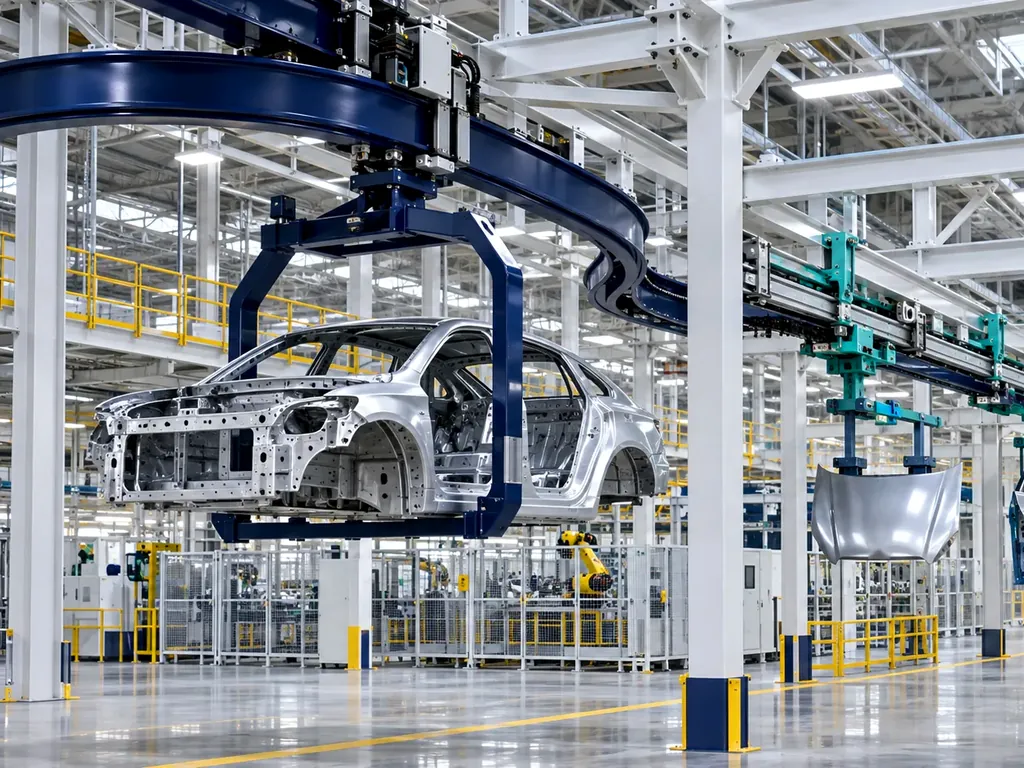
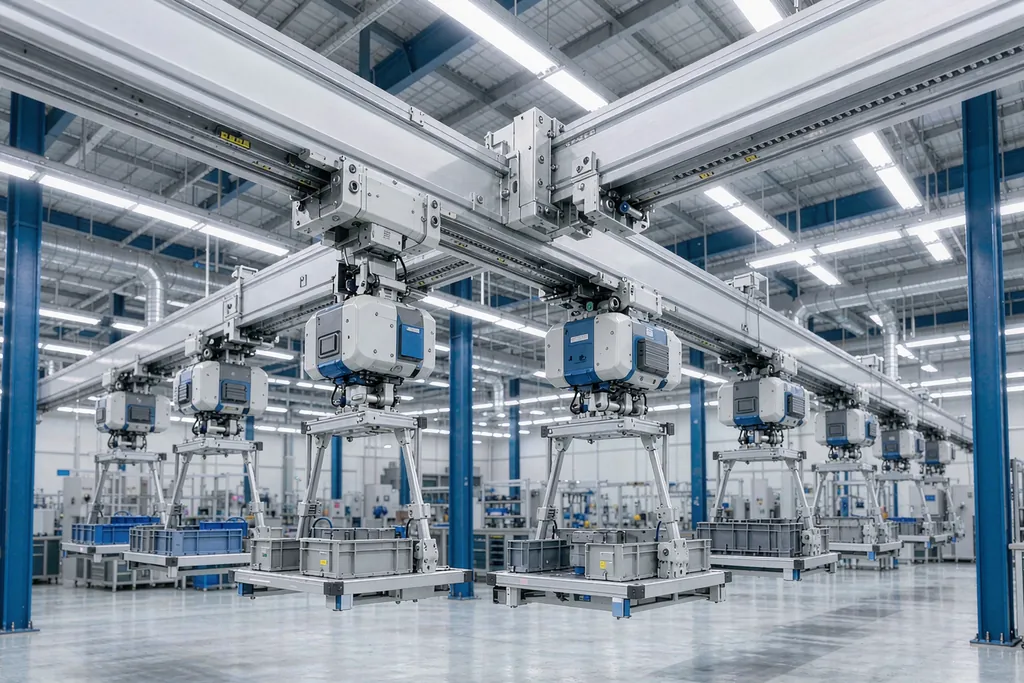
Each carrier has its own motor and takes power from conductor rails along the track. Carriers stop, accelerate and change speed individually and can lift the product, which is why electric monorails dominate automotive assembly.
Strengths
- Precise stops
- Variable speed per zone
- Lifting on the carrier
Watch out for
- Higher cost per carrier
- Kept out of hot ovens
Which Monorail Type Fits Your Line?
| Question | Manual | Chain-driven | Electric |
|---|---|---|---|
| Output | Low | Medium to high, steady | Medium to high, flexible |
| Do carriers stop alone? | Yes, by hand | Only with power and free | Yes |
| Hot or wet zones | Possible | Well suited | Limited |
| Layout changes | Easy | Mechanical work | Rail and software |
| Investment | Lowest | Medium | Highest per carrier |
Design Points for Any Monorail
- Rail and trolleys sized for the heaviest carrier with product
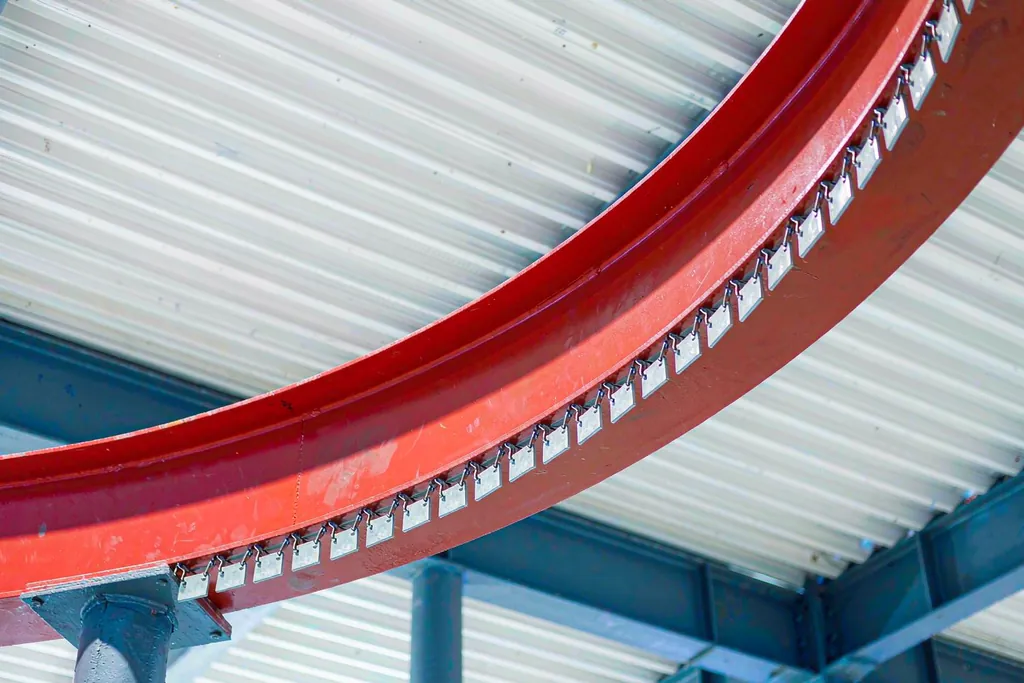
- Curve radii that suit the carrier length and swing
- Support steel or roof capacity checked early
- Safe access to drives, take-ups and lubricators
- Guarding wherever people work under or beside the conveyor
Related: overhead trolley conveyors and hanging conveyor systems.